
Common Decking Mistakes
Common Decking Mistakes Homeowners Make
Introduction
A deck can turn an unused outdoor area into a practical place for relaxing, dining, and spending time with family. It can also improve the look of a home and make the backyard easier to enjoy. However, a deck only performs well when it is planned, built, and maintained properly. Small mistakes made during design or installation can lead to loose boards, poor drainage, fading timber, or expensive repairs later.
Many decking problems do not appear straight away. A deck may look fine when it is first built, but issues can develop after months of rain, sun, moisture, and regular use. This guide explains the most common decking mistakes homeowners make and how better planning can help create a safer, stronger, and longer lasting outdoor space.
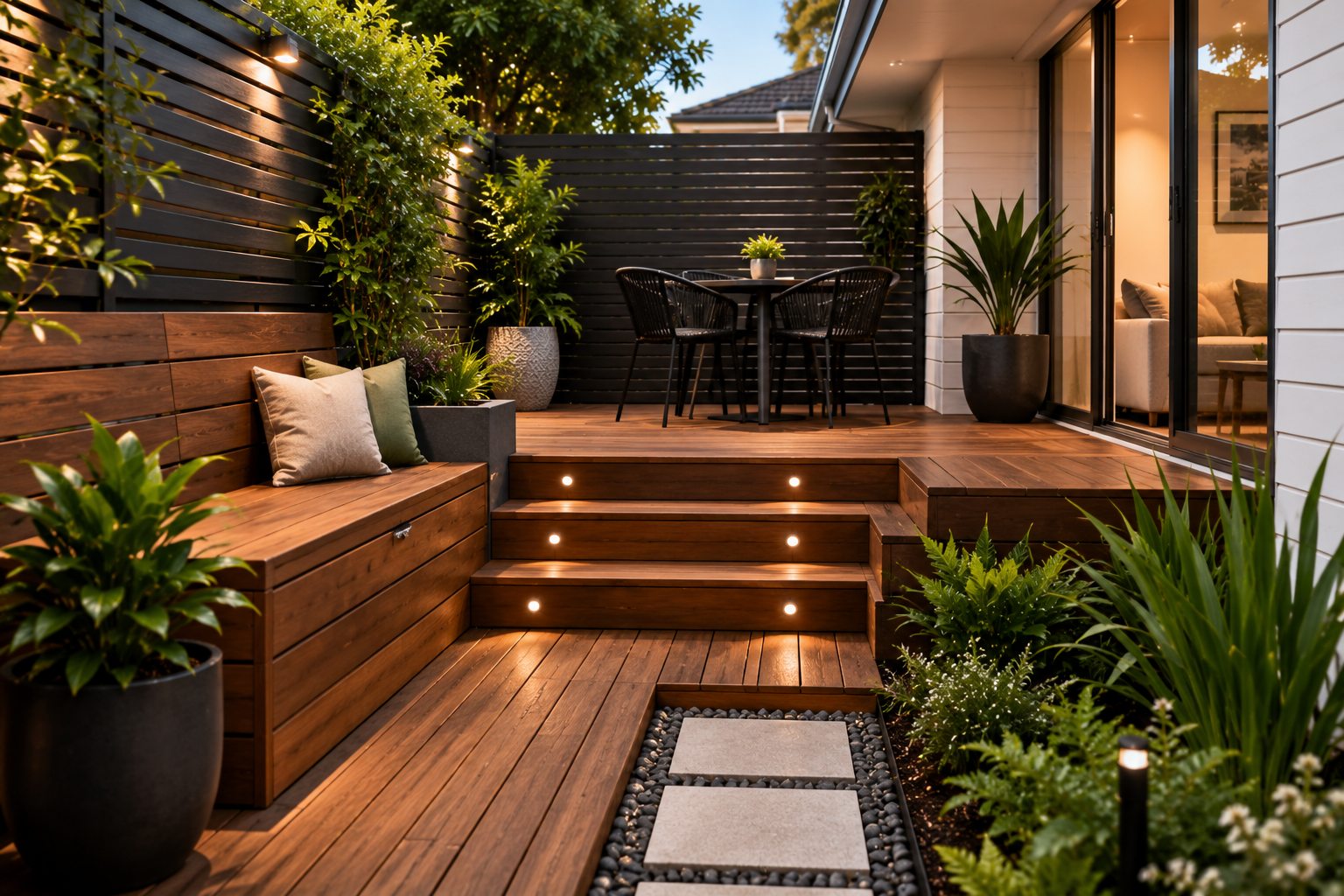
The Mistake That Starts Before Building Begins
Many decking problems begin before the first board is installed.
Homeowners often focus on how the finished deck will look, but overlook the structure, drainage, access, and long term use of the space.
A successful decking project should begin with a clear plan that considers:
- The size of the outdoor area
- How the deck will be used
- Sunlight and shade
- Ground levels
- Water flow
- Access from the home
- Furniture placement
- Future maintenance
A good deck should not only look attractive. It should also feel natural, safe, and easy to use.
Choosing a Deck That Is Too Large for the Space
A large deck may sound appealing, but bigger is not always better.
In a small backyard, an oversized deck can make the area feel crowded. It may leave little room for grass, plants, pathways, or garden beds.
A deck should suit the scale of the property. It should create a clear outdoor area without taking over the entire garden.
How to avoid this mistake
Before choosing the size, think about what the deck needs to hold.
Consider whether you need space for:
- A small table and chairs
- Outdoor seating
- A barbecue
- Planter boxes
- Clear walking areas
A simple layout often works better than a large and complicated one.
Using the Wrong Decking Material
Not every decking material suits every home, budget, or lifestyle.
Some homeowners choose a material based only on appearance. Others choose the cheapest option without thinking about maintenance or weather exposure.
Timber decking provides a warm and natural look, but it usually needs regular cleaning, sealing, and care. Composite decking may require less maintenance, but the initial cost and finished appearance can be different.
Questions to ask before choosing decking
- How much maintenance can we manage?
- Will the deck receive full sun?
- Is the area exposed to regular rain?
- Will children or pets use the deck?
- What style suits the home?
- What is the long term budget?
Choosing the right material can reduce future repair work and keep the deck looking better for longer.
Ignoring Drainage Under and Around the Deck
Water is one of the biggest risks to a decking structure.
Poor drainage can allow moisture to collect under the deck. Over time, this may lead to timber rot, mould, movement, unpleasant smells, or damage to the supporting frame.
Water should always be directed away from the house and deck supports.
Signs of poor drainage
- Water pooling after rain
- Muddy ground under the deck
- Green growth around the edges
- Damp smells
- Timber staying wet for long periods
Proper ground preparation, spacing, and drainage planning are essential parts of decking installation.
Building Too Close to the Ground
A low deck can look neat, but there still needs to be enough airflow underneath it.
Without proper ventilation, moisture can become trapped below the boards. This creates conditions where timber may decay more quickly.
The supporting structure also needs protection from direct ground contact where required.
Why airflow matters
Good airflow helps:
- Dry moisture after rain
- Reduce mould growth
- Protect the deck frame
- Improve the life of the timber
- Prevent musty smells
The height and structure should be planned according to the site, ground level, and drainage conditions.
Forgetting About Board Spacing
Decking boards need small and even spaces between them.
These gaps allow rainwater to drain and give the boards room to expand and contract as temperatures change.
If boards are installed too close together, water and debris may collect between them. If the gaps are too wide, the surface may feel uncomfortable or unsafe.
Correct spacing helps create:
- Better drainage
- A cleaner finish
- More natural timber movement
- A safer walking surface
- Easier cleaning
Board spacing should remain consistent across the entire deck.
Using Weak or Incorrect Fixings
The screws, nails, brackets, and connectors used in a deck play an important role in its strength.
Using poor quality or unsuitable fixings can lead to rust, loose boards, movement, and stains on the timber.
Outdoor fixings should be suitable for the decking material and local weather conditions.
Problems caused by poor fixings
- Raised screw heads
- Loose decking boards
- Rust marks
- Squeaking
- Movement underfoot
- Damage around screw points
Good fixings may not be the most visible part of a deck, but they are one of the most important.
Not Planning Steps, Rails, and Safe Access
A deck should connect smoothly with the house and garden.
Poorly positioned steps can make the deck awkward to use. Missing rails or unstable handrails can also create safety concerns, especially on raised decks.
The layout should consider how people will move through the space.
Important access features
- Safe step height
- Clear entry points
- Stable handrails where needed
- Enough lighting
- Clear space near doors
- Non slippery surfaces
Access should feel simple and natural rather than added as an afterthought.
Placing the Deck Without Considering Sun and Weather
A deck may be uncomfortable if it receives too much sun, strong wind, or constant rain.
The direction of the home and the position of nearby buildings can affect how the deck feels throughout the day.
Before building, it helps to observe the area in the morning, afternoon, and evening.
Weather planning may include
- Adding a pergola for shade
- Using privacy screens
- Choosing suitable plants
- Installing outdoor lighting
- Selecting materials for exposed areas
- Creating protection from wind
A well positioned deck is more likely to be used throughout the year.
Filling the Deck with Too Much Furniture
Even a well designed deck can feel small when it is overcrowded.
Large furniture can block pathways, make doors difficult to open, and reduce the usable area.
Furniture should match the size of the deck.
Better options for smaller decks
- Built in bench seating
- Foldable chairs
- Compact tables
- Storage benches
- Wall mounted features
- Narrow planter boxes
The goal is to keep the space comfortable and easy to move through.
Skipping Sealing and Surface Protection
Timber decking is exposed to sunlight, rain, dirt, and temperature changes.
Without suitable protection, timber may fade, dry out, crack, or absorb moisture.
Sealing or oiling helps protect the surface and maintain its appearance.
Surface protection can help
- Reduce water absorption
- Limit fading
- Improve colour
- Protect against dirt
- Reduce surface cracking
- Extend the life of the boards
The right product and maintenance schedule will depend on the timber and level of exposure.
Ignoring Small Repairs
A loose board or raised screw may seem minor, but small issues can become bigger problems.
Movement can place extra pressure on nearby boards and fixings. Water may also enter damaged timber more easily.
Problems that should be checked early
- Loose boards
- Raised screws
- Cracks
- Splinters
- Soft timber
- Unstable steps
- Moving handrails
- Uneven sections
-
Trying to Complete Complex Work Without the Right Skills
Some basic maintenance tasks may be manageable, but structural decking work requires careful planning and the right tools.
Mistakes in measurements, support spacing, drainage, or fixings can affect both safety and appearance.
Professional decking services can help with:
- New deck construction
- Deck replacement
- Timber repairs
- Frame repairs
- Board replacement
- Deck extensions
- Cleaning and restoration
- Painting, sealing, and staining
A Better Decking Plan in Five Simple Steps
A clear process helps avoid many common decking mistakes.
Decide How the Deck Will Be Used
Think about seating, entertaining, family use, and movement through the space.
Inspect the Site
Check the ground, drainage, slope, access, shade, and connection to the home.
Choose Suitable Materials
Compare appearance, maintenance needs, durability, and cost.
Plan the Structure and Finish
Consider the frame, boards, steps, rails, screens, lighting, and drainage.
Maintain the Deck Regularly
Clean the surface, check fixings, repair damage, and protect the timber when needed.
When Is It Better to Repair or Replace a Deck?
Not every old deck needs full replacement.
Deck repairs may be suitable when the main frame is still strong and the damage is limited to a few boards, fixings, or surface areas.
Replacement may be a better option when:
- Large parts of the frame are damaged
- Timber has widespread rot
- The deck feels unstable
- Repairs have become frequent
- The design no longer suits the property
- The deck has serious drainage problems
A proper inspection can help determine the safest and most practical option.
Final Checklist Before Starting a Decking Project
Before work begins, make sure the plan covers:
- Deck size and purpose
- Material choice
- Ground preparation
- Drainage
- Airflow
- Supporting frame
- Board spacing
- Outdoor fixings
- Steps and rails
- Sun and weather exposure
- Maintenance needs
Taking time to review these details can prevent many common mistake
To Sum Up
A good deck should do more than improve the appearance of a backyard. It should provide a safe, comfortable, and practical outdoor space that suits everyday life. Most decking mistakes happen when planning, structure, drainage, or maintenance is overlooked. By choosing the right size, suitable materials, proper support, and regular care, homeowners can enjoy a deck that remains attractive and functional for years. Professional decking services can also help remove uncertainty and ensure each stage is completed with care. Whether the project involves a new deck, an extension, or repairs to an existing structure, the right approach can protect the property and create an outdoor area that is easier to enjoy.


